
.avif)
Insurance renewal is the most predictable revenue event in an insurer's portfolio — and the most consistently under-managed. Unlike new business, renewals don't require lead generation, product education, or trust-building from scratch. The customer already exists. The policy details are known. The renewal date is in the system. The only variable is whether someone contacts the customer at the right time with the right message.
Yet India's life insurance industry averages only 61–65% 13th-month persistency. Over a third of life insurance policies lapse within their first year — not because customers don't want coverage, but because insurers don't contact them consistently enough, early enough, or compellingly enough to make renewal feel urgent. This guide breaks down why insurance renewal rates lag in India and the specific operational changes — in timing, channel mix, messaging, and automation — that improve persistency for insurers operating at scale.
Persistency Economics
A 5 percentage point improvement in 13th-month persistency on a ₹500 crore renewal premium portfolio retains ₹25 crore in annualised premium that would otherwise lapse. No other sales or marketing intervention has a comparable ROI profile because the product is already sold.
Why Insurance Renewal Rates Lag in India: The Data
The critical insight: the majority of lapses are preventable. They are contact failures, not
purchase decisions. The policyholder did not choose to lapse — they drifted out of coverage
because no one made staying easy.
This blog is just the start.
Unlock the power of Convin’s AI with a live demo.

How Convin's AI Sales Agent Manages Insurance Renewal at Scale
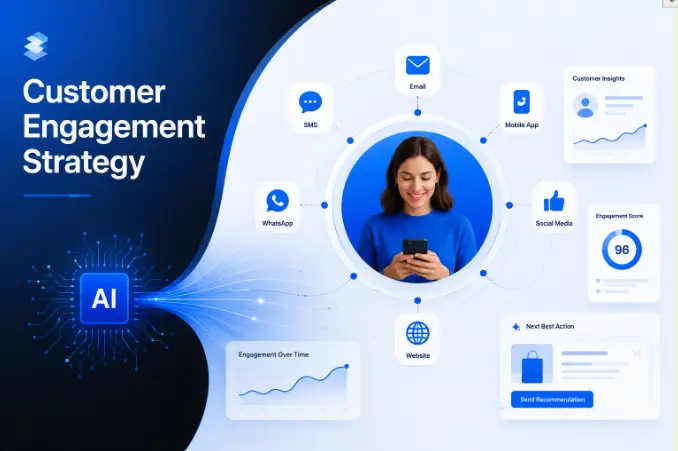
The fundamental renewal operations problem is scale. A large insurer has lakhs of policies expiring monthly — a volume that manual agent outreach cannot cover at 60/30/7 day intervals. Convin's omnichannel AI sales agent automates the full renewal contact sequence across call, WhatsApp, and SMS — personalising every interaction with the policyholder's specific policy details, sum assured, NCB or benefit accumulation, and expiry date.
Insurance Renewal: The 3-Layer Operational Framework
Layer 1: Pre-Renewal Contact (60–30 Days Before Expiry)
The earliest contact is the most valuable. Policyholders contacted 60 days before expiry have time to arrange payment, consider coverage changes, and make a considered renewal decision. This is also when retention offers and life-stage reviews are most effective.
Layer 2: Urgent Pre-Expiry Contact (7 Days Before Expiry)
The 7-day window is the highest-urgency contact in the renewal sequence. Policyholders who have not renewed by this point need explicit, consequence-driven communication — not a reminder, but a direct statement of what happens if the policy lapses.
Layer 3: Post-Lapse Re-Activation (Within Benefit Protection Window)
Not all lapsed policies are lost. Most insurance products have a lapse window during which the policy can be re-activated — for motor insurance, NCB is protected for 90 days post-expiry; for life insurance, revival provisions vary by product but typically allow revival within 2–5 years with evidence of insurability and payment of arrears. AI-powered re-activation campaigns targeting lapsed policyholders within these windows — with explicit messaging about what they can still recover — consistently outperform generic win-back messaging. The message is simple: 'Your [benefit] is still intact if you renew in the next [X] days.'
Re-Activation Benchmark
AI-powered personalised re-activation outreach recovers 15–25% of lapsed policies within the protection window. Generic SMS campaigns recover 3–6%. The difference is personalisation: the specific benefit at risk, the exact number of days remaining, and a frictionless payment path in every message.
Insurance Renewal Messaging: What Works and What Doesn't
IRDAI Obligations for Insurance Renewal Operations
IRDAI sets regulatory expectations for how insurers must conduct renewal outreach. Renewal operations teams should be aware of these obligations:
FAQs
1. How do I convince my customers for insurance?
Highlight the benefits, financial security, and long-term value of insurance. Use real-life examples, address concerns, and personalize offers based on their needs to build trust and urgency.
2. How do I write an insurance renewal email?
Keep it clean and professional. Mention the policy details, renewal date, benefits of continuing coverage, any changes in terms, and a call to action with easy renewal steps.
3. How do I follow up on insurance clients?
Follow up through calls, emails, or messages with reminders about policy benefits, renewal deadlines, and exclusive offers. Address concerns proactively and provide personalized assistance.
4. Is it compulsory for an insurance company to send a renewal notice?
In most regions, insurers must send a renewal notice before a policy expires, informing policyholders about premium changes and renewal terms. Regulations may vary by country.


.avif)


.avif)