


Q4 exposes cracks in insurance retention, but the real fix lies in automated workflows, sharper coaching, and consistent customer visibility. When teams prioritize risk early and support agents with data-driven guidance, persistency becomes predictable rather than seasonal. The next step is deciding which part of your retention process you want to strengthen first.
Diagnose your Q4 persistency risks.
Why Q4 Hits Insurance Retention Hard
Before we understand the “why” of insurance retention during Q4, let’s understand what insurance retention is.
Insurance retention is the ability of insurers to keep policyholders renewing consistently by improving engagement, reducing lapse risk, and strengthening renewal workflows, especially during high-pressure periods like Q4.
When Q4 rolls around, even well-run teams start seeing declines that feel inevitable, but they aren’t. This is exactly when Insurance retention gets stress-tested. Volumes spike, customer expectations rise, and agents have less time to follow up with at-risk policyholders. The season exposes gaps in planning, workflows, and coaching quality.
Customer Retention In Insurance: The Seasonal Stress Test
Every insurance business feels the seasonal swell, with premium due dates stacking up, customer queries shooting higher, and teams getting stretched thin. That’s when customer retention in insurance becomes fragile. Because Insurance retention relies on consistent follow-ups, the surge often leads to missed reminders, delayed callbacks, and expired renewal windows.
The seasonal wave isn’t the real enemy; the lack of structured buffers around customer retention in insurance is. When teams prepare in advance, the Q4 hit becomes predictable and manageable.
Insurance Customer Engagement Drops When Agents Are Overloaded
When agents are juggling too many conversations, insurance customer engagement naturally declines. It’s not intentional; there’s simply no time to craft context-rich, empathetic outreach. And because strong Insurance retention depends on timely, relevant contact, even engaged customers can slip into non-renewal territory.
Declining insurance customer engagement isn’t a quality issue; it’s a capacity issue. And without scalable support, Q4 continues to drain persistency.
So if Q4 exposes the problem, what’s actually breaking inside the system? The next section dives into the root causes behind recurring lapses and where Insurance retention quietly collapses.
See your Q4 lapse signals instantly.
The Root Causes Behind Broken Insurance Retention Cycles
The cracks in insurance retention don’t appear suddenly; they accumulate throughout the year and widen under Q4 pressure. Most insurers deal with manual workflows, inconsistent coaching, and fragmented customer visibility. When peak season hits, these weaknesses multiply.
Insurance Workflow Automation Gaps During Peak Season
When processes depend heavily on manual effort, gaps show up fast. Limited insurance workflow automation means agents carry the burden of remembering follow-ups, scanning policy risks, and identifying renewal blockers. During Q4, this workload becomes overwhelming.
Because Insurance retention thrives on proactive outreach, missing even a small subset of reminders or risk triggers can create a domino effect. Without strong insurance workflow automation, these misses accumulate.
Solving the Q4 dip isn’t about working harder; it’s about filling the automation gap. Mature insurance workflow automation steadily supports Insurance retention, even in the busiest quarter.
Agent Coaching Insights Are Missing When Risk Spikes
When conversations increase and complexity grows, teams need real-time clarity. That’s where agent coaching insights should step in, but often don’t. Without structured feedback loops, agents repeat the same patterns that hurt persistency: unclear explanations, weak objection handling, and inconsistent urgency.
This happens precisely when Insurance retention needs stronger coaching the most.
With sharper agent coaching insights, teams build consistency in their Q4 communication. Without them, Insurance retention becomes luck instead of discipline.
Now that the root causes are clear, the natural question becomes: what does a high-functioning model look like? What does “good” Insurance retention actually mean during Q4?
Improve agent readiness before Q4 hits.
This blog is just the start.
Unlock the power of Convin’s AI with a live demo.

What Strong Insurance Retention Looks Like in Q4
High-performing insurers don’t eliminate Q4 chaos; they design systems that absorb it. Strong Insurance retention in Q4 relies on predictable, automated, and insight-rich processes. Instead of reacting to volume spikes, they use data to prioritize and act early.
Customer Retention In Insurance Starts With Risk Prioritization
When teams know exactly which policies are most likely to lapse, customer retention in insurance becomes dramatically more effective. Q4 only becomes a crisis when insurers treat every customer the same. The best teams are segmented by risk, intent, payment history, and previous engagement patterns.
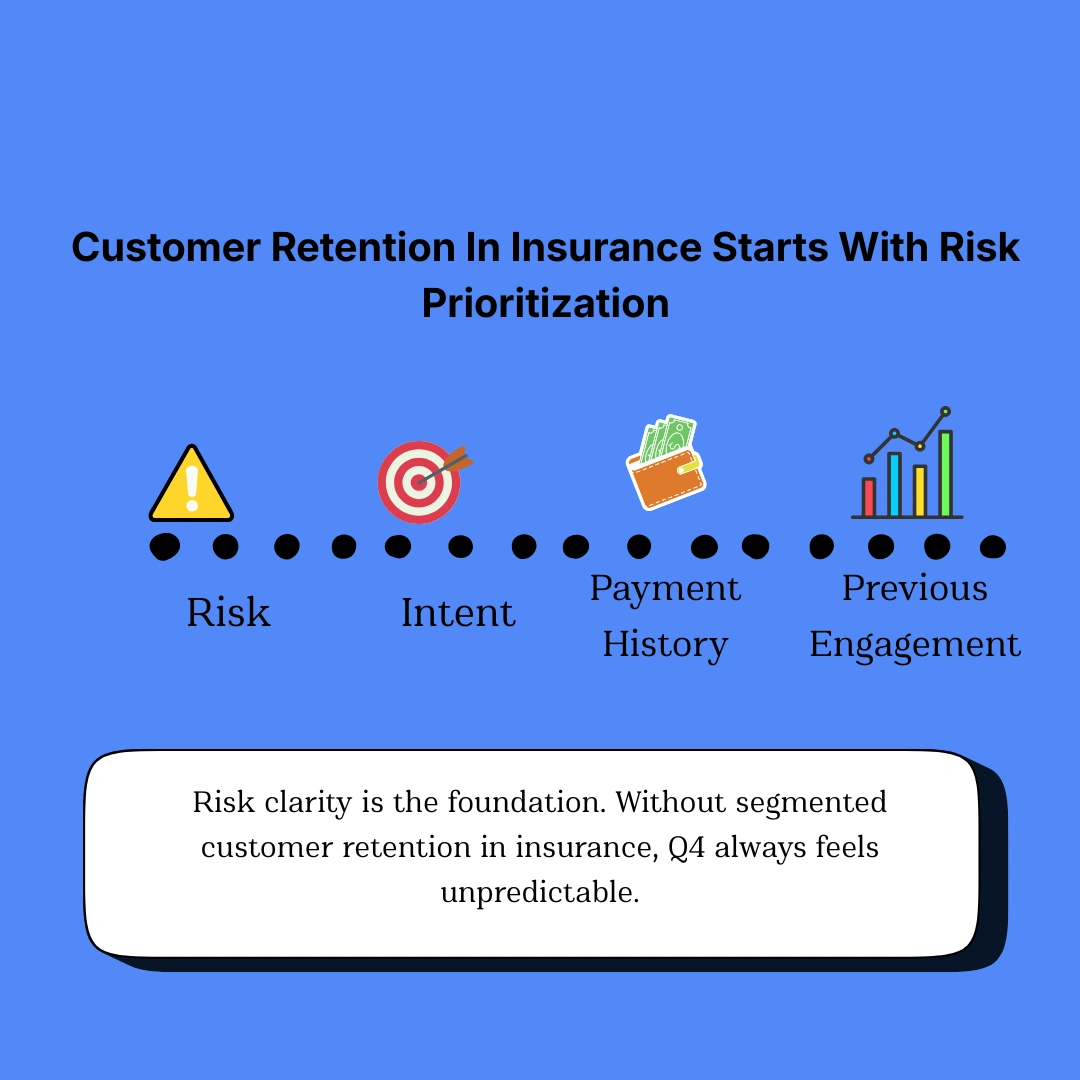
By mapping these triggers, Insurance retention becomes much more precise.
Risk clarity isn’t optional; it’s the foundation. Without segmented customer retention in insurance, Q4 always feels unpredictable.
Insurance Customer Engagement Built On Timely, Relevant Outreach
High-performing teams maintain steady insurance customer engagement even when volumes rise. The trick is timing, context, and consistency. Instead of broad reminders, customers receive personalized nudges tied to their behavior.
This consistent engagement is one of the strongest predictors of solid Insurance retention.
Relevance creates momentum. When insurance customer engagement is timely and specific, persistency naturally improves even in Q4.
With the ideal state in view, the final step is translating it into a workable, repeatable playbook. How do insurers turn strong Q4 Insurance retention into a year-round capability?
Streamline your renewal playbook for Q4.
Applying Insurance Retention Principles With A Modern Playbook
A modern Insurance retention playbook blends automation, coaching, and visibility. It doesn’t replace human judgment; it amplifies it. The focus shifts from chasing last-minute renewals to building consistent, proactive workflows.
Tools like Convin for Insurance, Automated Coaching, and Convin for Retention support this shift but the core principle is the same: make the renewal process predictable, not heroic.
Insurance Workflow Automation To Reduce Q4 Burden
When teams lean on insurance workflow automation, they prevent backlog before it starts. Automated risk alerts, renewal reminders, policy nudges, and sentiment-based triggers help agents manage the seasonal surge far more effectively.
This automation acts as a buffer that strengthens Insurance retention even when volumes spike.
The more reliable your insurance workflow automation, the stronger your Q4 resilience and the smoother your overall Insurance retention curve.
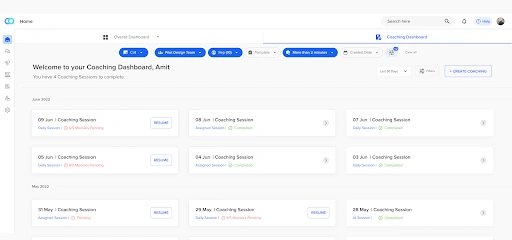
Agent Coaching Insights That Improve Conversations Fast
In Q4, agents need targeted, quick-turn improvements. That’s where agent coaching insights matter: identifying where conversations lose momentum, where clarity drops, or where customers hesitate. Real-time coaching gives agents the confidence and structure they need.
Because high-quality conversations remain one of the core drivers of Insurance retention, coaching during Q4 is mission-critical.
With actionable agent coaching insights, teams elevate every renewal conversation. And as conversation quality stabilizes, Insurance retention follows.
Once you deploy these capabilities, Q4 stops feeling unusual. It becomes just another quarter, predictable, manageable, and much less stressful.
Get a Q4 persistency benchmark snapshot.
Insurance Retention As a Year-Round Advantage
Strong insurance retention is not a seasonal achievement; it’s a systematic one. Q4 exposes the cracks, but the real gains come from solving them long before the year ends. Automation supports consistency, coaching sharpens conversations, and risk visibility keeps teams focused on the right customers.
Customer Retention In Insurance Requires Consistent Visibility
When teams know what’s moving and what’s slipping, customer retention in insurance becomes easier to steer. Visibility turns surprises into expected patterns and allows for proactive intervention.
Sustained visibility anchors customer retention in insurance, ensuring Q4 never becomes a crisis again.
The teams that consistently act on agent coaching insights outperform those that rely on instinct or ad-hoc feedback. Coaching isn’t a one-time push; it’s a rhythm that improves renewal conversations across the year.
When coaching becomes continuous, so does improvement. And with steady improvements, insurance retention becomes a strategic advantage, not a seasonal battle.
Schedule your Convin demo now!
FAQs
- What external factors influence Insurance retention during economic downturns?
Economic uncertainty impacts renewal affordability, premium sensitivity, and customer decision timelines, all of which can affect Insurance retention outside seasonal cycles like Q4.
- How does digital self-service improve Insurance retention?
Self-service portals streamline payments, updates, and queries; reducing friction and helping customers stay engaged long enough to renew.
- What role does policy personalization play in Insurance retention?
Tailored recommendations and relevant coverage options increase customer confidence and reduce the likelihood of switching or lapsing.
- How can insurers use predictive analytics to strengthen Insurance retention?
Predictive models identify early lapse signals, enabling teams to intervene before policyholders disengage.
- Does omnichannel communication increase Insurance retention?
Consistent messaging across calls, email, SMS, and WhatsApp builds trust and keeps customers responsive throughout the renewal cycle.


.avif)

.avif)