


Insurance sales leaders today face mounting pressure to deliver better results with the same team. Annual targets are rising while budgets remain tight, and hiring more agents is not always feasible or effective.
Many teams struggle with wide performance gaps between top producers and average performers. According to industry analysis, nearly 75 percent of insurance agents fail to meet their sales goals due to unclear expectations and inadequate coaching and support.
At the same time, the insurance sector as a whole continues to grow, particularly in markets like India, where insurance premiums increased by more than 5 percent year-over-year, and individual new business premiums rose by 11 percent as agent numbers expanded.
This growth increases expectations on sales teams without necessarily improving the tools or processes they use.
Yet many firms continue to rely on traditional methods to monitor agent activity, such as quarterly reviews or basic conversion metrics. Real-world performance problems often go undetected until it is too late, and coaching becomes something that happens after deals are lost.
Best practices are rarely captured and shared systematically, leaving managers to guess which tactics actually yield results. This results in uneven outcomes across teams and makes it challenging to forecast performance with confidence.
These challenges pose significant revenue risks and wasted capacity, with leaders recognizing that merely adding more representatives will not resolve systemic issues like inconsistent coaching, unclear performance standards, or slow insights into conversion success.
The blog post discusses strategies to tackle these core problems and enhance productivity without increasing headcount.
Still hiring to fix performance? See why that’s killing your ROI.
Why Optimizing Insurance Sales Performance Is Important Now
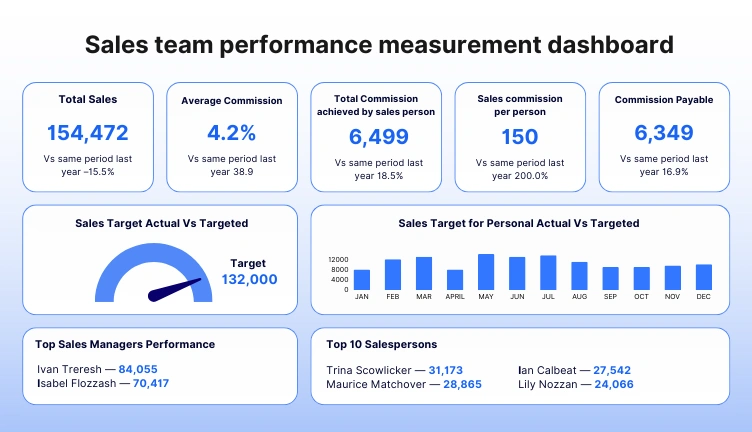
The insurance industry is under immense pressure. Rising customer expectations, talent shortages, and increasing acquisition costs have pushed teams to deliver more with less. Traditional growth strategies like hiring more agents are no longer sustainable.
According to Bain & Company, insurers are experiencing a 10–15% year-over-year decline in frontline sales productivity, driven by outdated sales methods, inconsistent training, and fragmented data systems.
Optimizing insurance sales performance becomes non-negotiable at that point. Leaders must transition from capacity-based growth to capability-based scaling, which calls for more intelligent systems rather than more representatives.
The Hidden Cost of Underperforming Reps
Underperformance is often masked by top performers who carry team numbers. But the cost is real. Inconsistent closing ratios lead to revenue leakage, wasted leads, and lost market share. Most organizations don’t realize how much they’re leaving on the table until they reduce performance variance in insurance sales teams and benchmark individual outcomes.
By focusing on rep performance benchmarking in insurance, leaders can identify which reps are underachieving, why, and how to close those gaps. Optimizing for consistency is often more impactful than chasing one or two superstar hires.
The Traditional Approach vs. Scalable Productivity Improvement
For years, the default response to missed targets has been to hire more reps. But that logic no longer holds. The average onboarding and ramp time for an insurance sales rep is 6–9 months, during which productivity remains low.
And according to Salesforce’s “State of Sales” report, only 35% of newly hired reps reach full productivity in their first year.
Instead of increasing headcount, leaders should invest in insurance sales productivity improvement that scales across the existing team for faster, cheaper, and more sustainable results.
This shift also allows companies to meet growth goals without increasing payroll or training costs.
Standardizing Insurance Sales Best Practices
Successful teams don't take chances. They use tried-and-true talk tracks, objection-handling techniques, and process discipline to execute consistently. However, this knowledge is tribal in many insurance companies. It stays in the heads of the top 10%, while the rest struggle to replicate success.
To achieve predictable results, standardizing best practices for insurance sales is essential. This entails documenting what works for all pitches, call flows, and objections, making it accessible to each representative.
It also entails identifying trends from high-performing calls using AI-driven insurance sales analytics and incorporating those findings into regular coaching.
When best practices are standardized and delivered in real time, insurance sales coaching effectiveness improves dramatically. Instead of reactive feedback loops, reps get immediate guidance that shapes behavior while they’re selling.
Before you hire your next rep, read this playbook instead.
The Role of Coaching in Insurance Sales Productivity Improvement
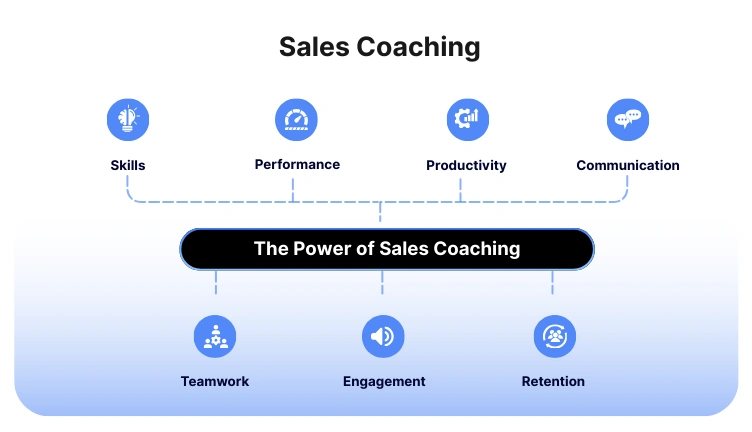
Team coaching session driving insurance sales performance optimization
Coaching plays a central role in insurance sales productivity improvement, yet it is often underutilized or misapplied. Most insurance sales leaders agree why coaching matters, but few have systems in place to make it consistent, measurable, and scalable.
Without the right structure, coaching becomes subjective and uneven, which directly impacts insurance sales performance optimization.
Insurance Sales Coaching Effectiveness: What the Numbers Say
The data is evident. Organizations that invest in structured sales coaching significantly outperform those that rely on ad hoc feedback.
Industry studies show that firms with formal coaching programs see a 10 to 20 percent lift in quota attainment compared to teams with unstructured or infrequent coaching.
However, not all coaching models deliver the same return.
One-to-one coaching has value, but it does not scale well. Managers can only review a limited number of calls, and feedback often depends on memory and interpretation. This leads to:
- Inconsistent guidance across reps
- Delayed feedback that arrives after deals are already lost
- Limited ability to reduce performance variance in insurance sales teams
To drive real insurance sales coaching effectiveness, coaching must move beyond individual sessions and toward repeatable, standardized guidance. Standardizing best practices for insurance sales becomes crucial in this situation.
When best practices are documented, shared, and reinforced consistently, coaching shifts from opinion-based feedback to data-backed enablement.
Embedding Coaching in Real Time vs Periodic Reviews
Traditional coaching models rely heavily on periodic reviews. Weekly or monthly call reviews may feel productive, but they are fundamentally reactive. By the time feedback reaches the rep, the opportunity to influence behavior has passed.
Lagging reviews fail because:
- Reps struggle to recall context from past calls
- Feedback is detached from real selling moments
- Behavior change is slow and difficult to sustain
In contrast, coaching delivered in real time changes outcomes. When reps receive guidance while they are actively selling, learning becomes immediate and actionable.
Real-time coaching supports insurance sales performance optimization by:
- Reinforcing best practices during live conversations
- Helping reps apply objection-handling techniques instantly
- Accelerating skill development without increasing manager workload
This approach directly improves insurance sales productivity because reps do not need repeated corrections after the fact. They learn by doing, which drives faster behavior change and more consistent execution.
AI-Powered Sales Analytics for Insurance: The Revolution
Coaching alone is not enough without visibility. Modern insurance sales teams generate massive volumes of call data, yet most of it goes unused. This is where AI-driven insurance sales analytics becomes a critical enabler of scale.
What Modern Analytics Reveals
AI-driven insurance sales analytics surfaces insights that human review cannot uncover at scale. Instead of relying on a handful of manually reviewed calls, AI analyzes every conversation to identify patterns that impact outcomes.
These insights include:
- Which phrases and talk tracks consistently lead to conversions
- Which objections cause deals to stall or drop
- Which behaviors separate top performers from the rest
More importantly, AI enables predictive insights. Sales leaders can identify what a rep should do next to improve results, rather than reacting after performance dips. This directly supports insurance sales performance optimization by shifting teams from reactive management to proactive improvement.
Rep Performance Benchmarking in Insurance
Data only becomes valuable when it drives action. Rep performance benchmarking in insurance allows leaders to move beyond surface-level metrics like call volume and focus on behaviors that drive revenue.
Effective benchmarking enables:
- Clear comparisons between top, average, and struggling reps
- Identification of high-impact behaviors worth replicating
- A structured path to reduce performance variance in insurance sales teams
Instead of data dumps, benchmarking highlights exactly what top performers do differently. Those insights can then be fed back into coaching programs and used for standardizing insurance sales best practices across the organization.
When coaching, analytics, and benchmarking work together, insurance teams achieve sustainable insurance sales productivity improvement without relying on headcount growth.
See how live call coaching works in real time. Book a technical walkthrough.
This blog is just the start.
Unlock the power of Convin’s AI with a live demo.

Convin: Boost Insurance Sales Productivity with Real-Time Coaching
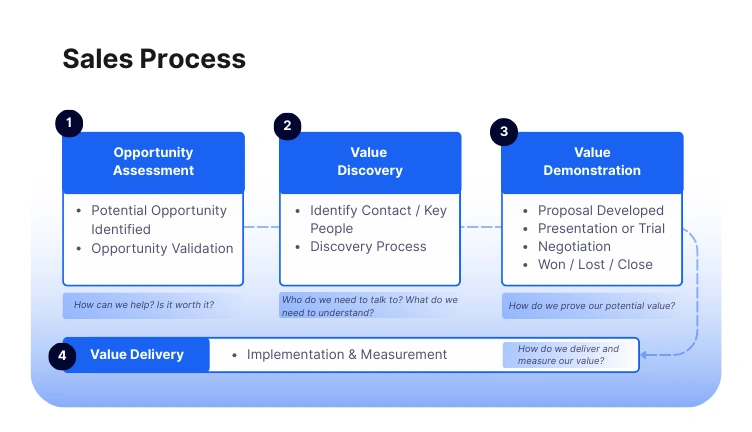
Insurance leaders looking to unlock revenue potential without increasing headcount are shifting toward data-driven, real-time solutions.
Convin offers a unique approach to insurance sales performance optimization by combining live coaching, AI analytics, and behavior benchmarking, designed to drive repeatable success at scale.
How Convin Works at a Glance
Convin helps you move from inconsistent sales outcomes to scalable excellence by transforming your existing sales conversations into actionable learning moments.
Here’s how it works:
- Convin captures top calls across your team automatically, identifying what high performers are doing differently.
- These winning conversations are then turned into playbooks, helping teams focus on what drives conversions.
- Lastly, Convin guides every representative, regardless of experience, with tried-and-true messaging and objection-handling techniques while providing real-time coaching and prompts during live calls.
This structure ensures that standardizing insurance sales best practices is no longer a manual, inconsistent effort. It becomes a continuous, automated part of daily selling.
Convin vs. Traditional Analytics Platforms
Let’s compare how Convin outperforms traditional tools across key productivity and coaching dimensions:
Conventional analytics systems usually only display what occurred. Convin goes one step further by actively influencing future events, assisting you in minimizing mistakes in real time, directing behavior, and ultimately promoting an increase in insurance sales productivity from the ground up.
More significantly, Convin helps you lower performance variance in insurance sales teams by pinpointing and reproducing the precise strategies that are effective, eliminating the need for guesswork.
Case Study: Fast ROI From Real-Time Coaching
A leading insurance provider used Convin to transform their underperforming inside sales team. Within just 60 days:
- Close rates improved by 28% through consistent real-time application of top rep behaviors.
- Coaching time dropped by 40% as managers shifted from reactive feedback to proactive enablement.
- In the insurance industry, representative performance benchmarking was automated, allowing the leadership team to see what was and wasn't working for each team and territory.
Convin made sure that every representative got the same instantaneous, large-scale support that their top performers were receiving by fusing live coaching with AI-driven insurance sales analytics.
The result was clear: The real objective of insurance sales performance optimization is consistent execution, quicker ramp times, and quantifiable gains in each representative's performance.
Experience Convin’s coaching engine live. Schedule a product demo.
Action Plan: Improve Productivity Without Hiring More Reps
Insurance leaders no longer need to rely on headcount to grow revenue. By following a structured, data-backed strategy, you can drive insurance sales performance optimization across your existing team and create long-term, compounding gains.
Here’s a four-step action plan to drive insurance sales productivity improvement without increasing costs or complexity.
Step 1: Standardize What Works
Start by ensuring that everyone on your team follows the same insurance sales best practices. This entails figuring out what your best-performing representatives do differently, such as how they answer calls or deal with objections, and then creating a consistent playbook based on those behaviors.
- Capture winning talk tracks
- Document proven pitch structures
- Share objection-handling templates
When your team has clarity on what works, you reduce performance variance in insurance sales teams and create more predictable outcomes.
Step 2: Benchmark Rep Performance Continuously
Use rep performance benchmarking in insurance to identify skill gaps and success patterns. Instead of comparing surface-level metrics, go deeper into behavioral analytics.
- Track how top reps handle key objections
- Identify who needs help with discovery or closing
- Use insights to tailor coaching by rep and region
By using data to inform talent decisions rather than intuition, benchmarking enables you to maximize insurance sales performance.
Step 3: Deliver Real-Time Coaching at Scale
Don’t wait for monthly reviews or post-mortem call analysis. Use tools like Convin to embed real-time coaching prompts into every sales conversation.
This transforms your coaching from reactive to proactive and directly improves insurance sales coaching effectiveness.
- Guide reps while they sell, not after
- Deliver prompts based on proven scripts and best practices
- Reinforce top behaviors live in the moment
Live coaching ensures faster improvement and drives real, measurable insurance sales productivity improvement.
Step 4: Use AI to Drive Continuous Optimization
Adopt AI-driven insurance sales analytics to understand what’s working and why. AI helps you move faster, scale coaching, and uncover insights that would be impossible to track manually.
- Identify which behaviors drive conversions
- Surface trends that affect win rates
- Evolve playbooks based on AI-backed results
AI makes sure that optimizing insurance sales performance is a continuous, ongoing process rather than a one-time effort.
Final Thoughts: Sustainable Insurance Sales Productivity Improvement
This action plan doesn’t just close the gap between your average reps and top performers. It eliminates it.
You can build a self-improving team that scales without hiring and consistently produces results by investing in behavior-driven analytics, insurance sales coaching effectiveness, and the tools to standardize best practices.
This is your playbook if you're serious about improving sales productivity and lowering performance variance in your insurance sales teams.
Talk to our team today and find out how we help insurance organizations close more deals with the teams they already have.
Frequently Asked Questions
1. What tools support insurance sales performance optimization?
Platforms like Convin provide AI-driven coaching, analytics, and rep benchmarking that directly support insurance sales performance optimization at scale.
2. How does AI-driven insurance sales analytics improve forecasting?
AI-driven insurance sales analytics help sales leaders forecast more accurately by analyzing call behavior patterns, objection handling, and rep consistency.
3. Can insurance sales coaching effectiveness be measured objectively?
Coaching effectiveness can be measured by tracking changes in win rates, talk-time ratios, and adoption of standardized insurance sales best practices over time.
4. Why is rep performance benchmarking in insurance critical for team growth?
Rep performance benchmarking in insurance reveals who needs support and why, enabling targeted coaching and helping reduce performance variance in insurance sales teams.
5. What’s the risk of not standardizing insurance sales best practices?
Without standardizing insurance sales best practices, teams rely on inconsistent methods, leading to unpredictable performance and lost revenue opportunities.


.avif)


.avif)