

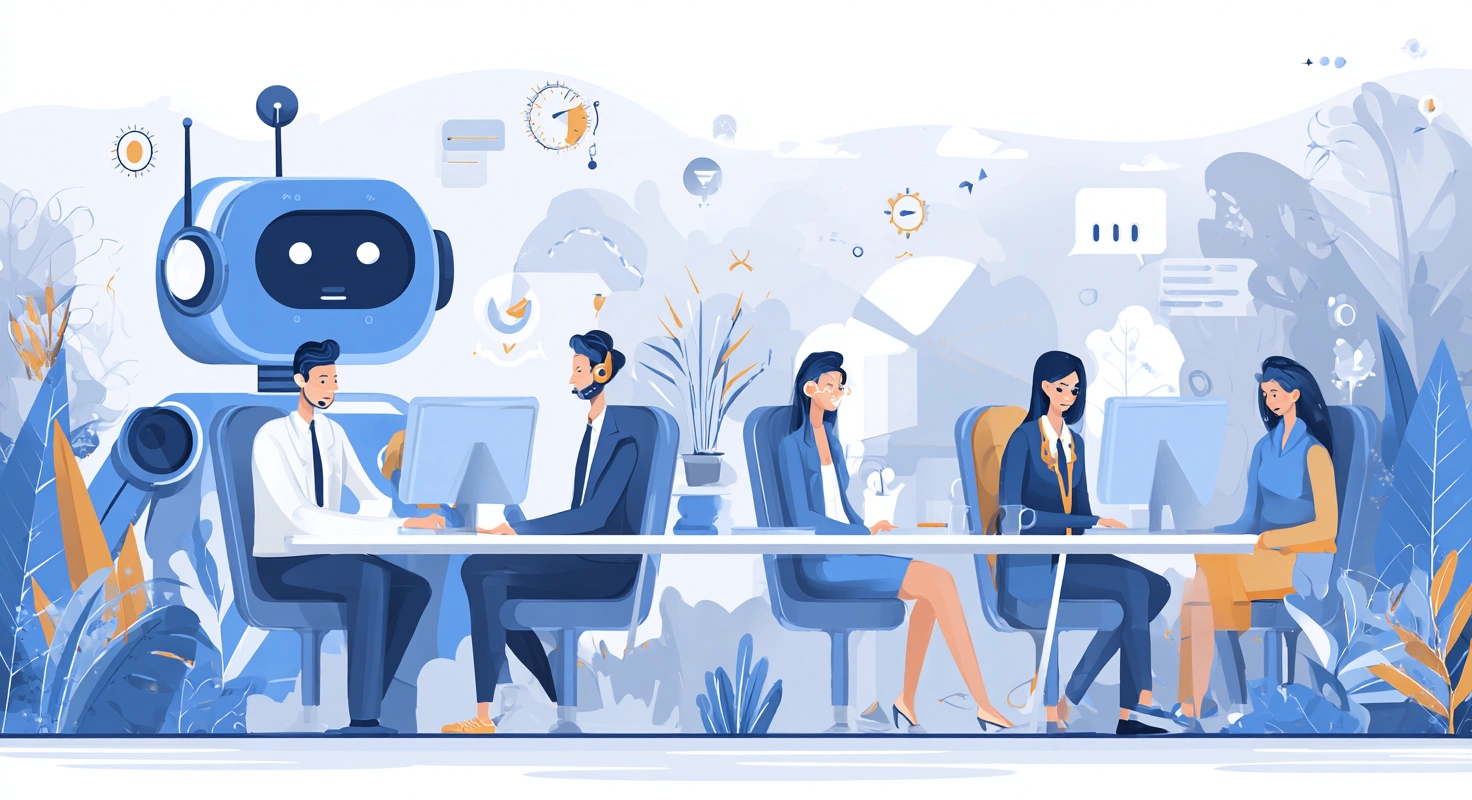
Insurance teams today operate in a landscape where customer expectations stretch well beyond business hours. Missed touchpoints, slow follow-ups, and inconsistent experiences quietly erode conversions. This is where AI phone calls for insurance reshape responsiveness, strengthening off-hours engagement without expanding headcount. As customer behavior shifts further toward nights and weekends, the real question becomes: how ready are insurers to adapt next?
AI phone calls for insurance are automated, intelligent voice interactions that help insurers handle inquiries, follow-ups, and outreach consistently, improving responsiveness and customer experience across all hours.
Automate off-hours outreach with AI phone calls for insurance.
Why AI Phone Calls For Insurance Matter After Hours
Off-hours used to be considered “dead time” in insurance operations, quiet hours where the missed calls and delayed callbacks were accepted as the cost of doing business. But customer behavior has shifted: prospects shop late, policyholders seek support before bed, and claims questions often surface outside traditional 9–5 windows.
Executives now see these hours not as downtime but as untapped revenue and CX surface area. That’s where AI phone calls for insurance fundamentally change the equation.
After-Hours Insurance Calls
After-hours insurance calls tend to spike exactly when teams are the least staffed, creating a natural gap between inbound interest and live human response. These moments are not just operational gaps; they’re windows where a competitor may respond faster or where a customer’s urgency quietly evaporates. Exec teams increasingly ask whether the cost of human headcount expansion is justified when automation can handle first-touch intelligence.
By introducing a structured, AI-led response layer, insurers can turn previously “unreachable” hours into predictable opportunities. A balanced system ensures no inquiry goes unacknowledged and triage workflows stay consistent, even at 11 p.m. This unlocks more meaningful policies, not because staff work longer, but because automation works smarter.
After-hours engagement isn’t just a service upgrade; it’s a revenue defense layer. Treating off-hours calls as strategic touchpoints allows insurers to reclaim moments that would otherwise vanish.
Now that we understand why the off-hours window matters, it’s worth examining how the gap actually forms and why even well-staffed teams struggle to close it without automation.
Unlock off-hours wins with AI phone calls for insurance.
The Off-Hours Gap AI Phone Calls For Insurance Can Close
Most insurance exec teams already know the off-hours gap exists, but few have visibility into its true cost. It’s not just about missed calls; it’s about lead decay, policy delays, compliance drift, and avoidable backlogs that quietly reduce revenue velocity.
The operational math is simple: if customers reach out when your team isn’t available, the experience breaks. AI phone calls for insurance close this gap by creating a responsive infrastructure that doesn’t depend on human shift limits.
Automated Policy Follow-Ups
Automated follow-ups help insurers stay connected to customers who prefer evenings and weekends for completing renewals or clarifying claims. It’s a predictable pattern: people handle insurance tasks when their own day settles down.
Without structured automation, teams struggle to maintain rhythm, leading to inconsistent customer experiences and many “I’ll deal with it later” decisions that never convert.
.avif)
When automation initiates reminders, nudges, and confirmations exactly when customers are most reachable, insurers see a lift in responsiveness. And because every touch is captured, routed, and time-stamped, leadership gains more accurate forecasting and operational predictability.
By anchoring policy follow-ups to an automated, always-available system, insurers reduce friction, maintain consistency, and protect renewal revenue even when staff aren’t online.
Understanding the gaps sets the stage, but what does excellence look like? Executives want a blueprint for a system that runs smoothly, bookends the customer journey, and creates measurable lift.
Power weekend outreach with AI phone calls for insurance.
This blog is just the start.
Unlock the power of Convin’s AI with a live demo.

What Good Looks Like With AI Phone Calls For Insurance
A well-run off-hours operation doesn’t compete with the day team; it enhances them. When AI phone calls for insurance are designed intelligently, they catch early interest, stabilize follow-ups, and prepare agents with cleaner, more informed conversations the next morning. “Good” becomes a blend of automation reliability and human empathy, each doing what they do best.
Insurance Lead Conversion AI
Lead conversion AI introduces a structured, repeatable process where no lead is lost to timing issues. When a prospect submits a quote request at 8:45 p.m., the system can instantly initiate a human-like acknowledgment, capture initial context, and schedule the next best action. It’s not reactive; it’s proactive.

With this foundation, day teams walk in with a prioritized list of leads already warmed up overnight. Execs appreciate that it preserves agent energy for high-value conversations while the AI handles the micro-touches that keep prospects engaged.
Conversion AI doesn’t replace human closers; it ensures closers never start the day with cold, stale, or forgotten leads.
Once the ideal state is clear, the next question executives ask is: “Who helps us get there without adding complexity?” That’s where Convin’s intelligence layer fits in naturally.
Optimize policy workflows with AI phone calls for insurance.
How Convin Elevates AI Phone Calls For Insurance
Convin’s value isn’t in placing more automated calls; it’s in upgrading the intelligence behind every off-hours touch. With conversation intelligence and automated agent coaching at the core, Convin helps insurers build a predictable, compliant, and insight-rich engagement model.
The focus stays on operational lift, not tools, keeping the narrative subtle and strategic while supporting AI phone calls for insurance.
Weekend Customer Outreach Insurance
Weekend interactions often reveal unique customer concerns, policy confusion, claims anxiety, or premium comparisons that differ from weekday questions. Convin’s AI surfaces these patterns so leaders understand what really happens when traditional oversight is thin.
This gives operations and compliance leaders visibility into tone, objections, and drop-off reasons during the most unmonitored hours.
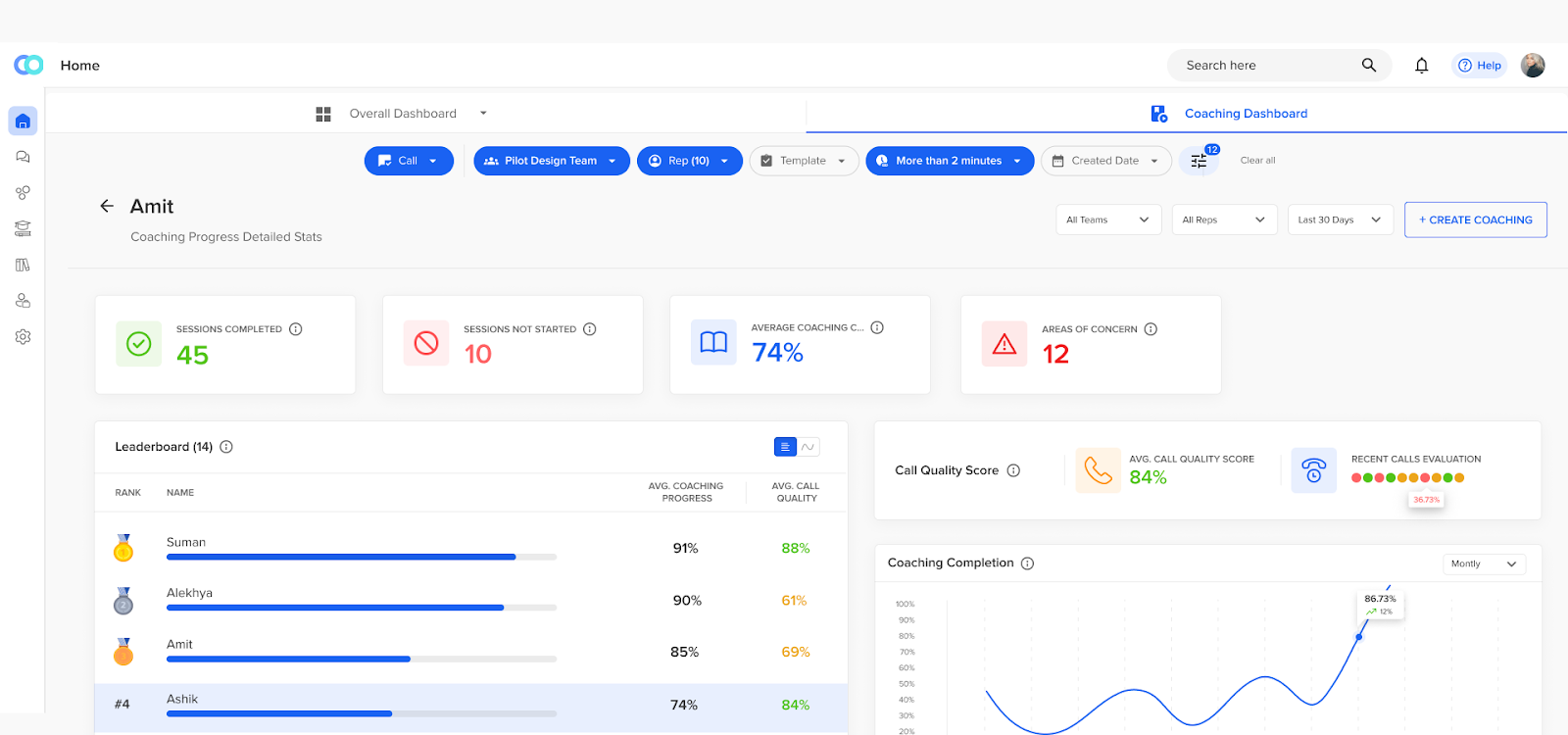
With automated coaching, agents receive personalized guidance based on actual weekend patterns, tonality, clarity, and empathy cues, ensuring they are prepared for the moments that matter. Combined with automated QA scoring, insurers minimize compliance risks that often spike when fewer supervisors are active.
Convin ensures weekend outreach stays sharp, safe, and customer-centric, without relying on bigger teams or extended shifts.
AI Dialing Systems For Insurers
Not all dialing systems are built for insurance. Convin supports an intelligence layer that determines which leads should be retried, when to switch channels, and how to avoid regulatory missteps. This matters because insurers must balance efficiency with sensitivity, over-dialing risks customer irritation, under-dialing risks revenue loss.
Smart retry logic gives each lead the right number of attempts at the right times. And when AI triggers transitions to email or SMS, customers experience continuity instead of repetition. This elevates trust while maintaining engagement.
Convin’s dialing intelligence turns off-hours outreach into a synchronized, context-aware flow built for both efficiency and customer respect.
With the mechanisms clarified, it’s time to wrap the narrative and reinforce where off-hours fits into the larger strategy for growth and customer experience.
Schedule your Convin demo today!
The Next Move With AI Phone Calls For Insurance
Off-hours behavior is no longer a marginal pattern; it’s central to how modern insurance customers explore, compare, and commit. With AI phone calls for insurance, insurers gain the ability to respond consistently, triage intelligently, and maintain momentum even when human teams are offline. The result is a more stable pipeline, smoother policy journeys, and fewer surprises in morning reporting.
Night and weekend interactions reveal customer intent at its most unfiltered. When those moments are captured, analyzed, and acted on with intelligence, insurers build a real competitive advantage, one grounded not in bigger teams, but in smarter orchestration. The organizations that lean into this model don’t just operate more efficiently; they understand their customers more deeply and adapt more quickly.
Ultimately, off-hours excellence becomes a marker of operational maturity. It shows the insurer has moved beyond reactive service toward a continuous, always-ready engagement model powered by insight, consistency, and thoughtful automation.
FAQs
- How Do AI Phone Calls For Insurance Improve First-Call Resolution?
AI systems can capture intent, verify details, and route issues accurately, helping reduce back-and-forth and improving first-call resolution for common policy or claims queries.
- Are AI Phone Calls For Insurance Secure For Sharing Personal Information?
Most solutions use encrypted channels, identity verification, and compliance frameworks (like SOC2 or regional equivalents) to protect sensitive customer and policy data.
- Can AI Phone Calls For Insurance Support Multiple Languages?
Yes. Many platforms offer multilingual voice models that adapt to regional accents and terminology, improving accessibility for diverse customer bases.
- Do AI Phone Calls For Insurance Integrate With Existing CRM Systems?
Most AI calling platforms connect easily with CRM and policy administration systems, enabling synchronized records, automated task creation, and cleaner customer histories.
- How Do AI Phone Calls For Insurance Handle Complex Policy Questions?
Advanced models escalate complex inquiries to human agents, providing context from the AI interaction so teams can respond accurately and efficiently.


.avif)

.avif)