

.avif)
Follow-up call plumbing is the highest-return sales activity that most plumbing businesses never do consistently. The average plumbing company sends out 40–60 estimates per month. Industry data suggests 60–70% of those estimates go unanswered after the first call. A structured follow-up system that recovers even 15% of those unsold estimates adds $5,000–$15,000 in monthly revenue for most mid-sized operations — without a single new marketing dollar spent.
Beyond unsold estimates, post-service follow-up calls are the fastest way to generate Google reviews, book repeat maintenance visits, and turn a one-time emergency repair customer into a loyal account. Yet most plumbing dispatchers are too busy handling inbound calls to run consistent outbound follow-up. The calls don't get made. The revenue doesn't get recovered. This guide covers the four types of plumbing follow-up calls, copy-ready scripts for each, the timing cadence that converts, and how to automate follow-up so it happens consistently without adding dispatcher workload.
Follow-Up ROI
A plumbing company with 50 unsold estimates per month at an average job value of $1,200 has $60,000 in un-followed-up revenue. Recovering 15% through structured follow-up = $9,000 per month. A single dispatcher making follow-up calls 2 hours per day cannot reach 50 estimates consistently — automation is the only scalable path.
The 4 Types of Plumbing Follow-Up Calls
How Convin's AI Sales Agent Automates Plumbing Follow-Up
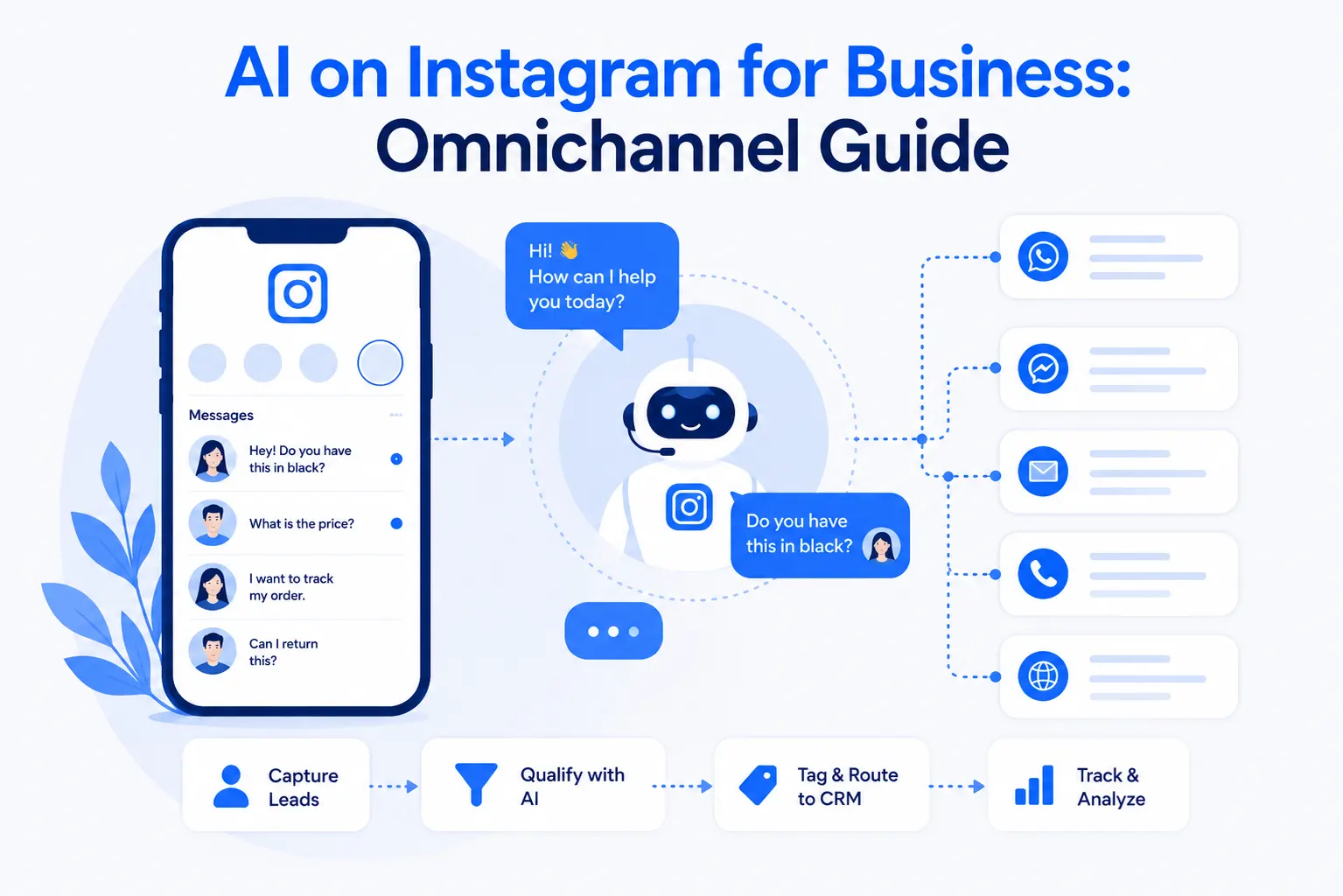
The execution gap in plumbing follow-up isn't knowledge — it's bandwidth. Dispatchers know they should call back. They don't, consistently, because inbound volume takes priority. Convin's omnichannel AI sales agent runs the full plumbing follow-up operation automatically — triggering calls by job outcome and timing rule, running the conversation with a consistent script, logging results to the CRM, and routing complex calls to a human dispatcher.
This blog is just the start.
Unlock the power of Convin’s AI with a live demo.

Plumbing Follow-Up Call Scripts: Copy-Ready Templates
Script 1: Post-Service Satisfaction Call (Within 48 Hours)
Script 2: Unsold Estimate Follow-Up (Day 3)
Script 3: Seasonal Maintenance Outreach
Timing Cadence: When to Call for Maximum Conversion
Frequently Asked Questions
When should a plumbing company follow up on an estimate?
The first follow-up on an unsold plumbing estimate should happen on Day 3 after the estimate was sent — close enough to be timely, far enough that the homeowner has had time to review it. A second follow-up on Day 7 reaches homeowners who are still deciding. A final attempt on Day 14 captures anyone who was genuinely busy earlier. After three unanswered attempts, move to a low-touch email sequence and re-attempt in 60 days.
What's the best script for a plumbing follow-up call?
The most effective follow-up scripts reference specific details from the service or estimate — the exact work done, the date, and the specific system involved. Generic 'just checking in' calls underperform by a significant margin. Lead with a value statement ('we want to make sure everything is working perfectly') rather than a sales pitch, and always end with a specific next step — a scheduling offer or a review link by text.
Can plumbing follow-up calls be automated?
Yes — and for companies with consistent estimate and job volume, automation is the only way to ensure consistency. AI-powered calling tools trigger post-service calls when jobs are closed in your field service software, run unsold estimate sequences automatically, and execute seasonal campaigns to your full customer list simultaneously. The key is ensuring the AI handles standard follow-up while human dispatchers handle complex scheduling and complaints.
About Convin
Convin's omnichannel AI sales agent automates the full plumbing follow-up operation — post-service satisfaction calls, unsold estimate sequences, seasonal outreach — with automatic job-management system integration and CRM logging. Learn more at convin.ai.




.avif)